


PE Breakpoint Tape vs Other Tear Tapes for Packaging
 Nov 02, 2026|
 View:
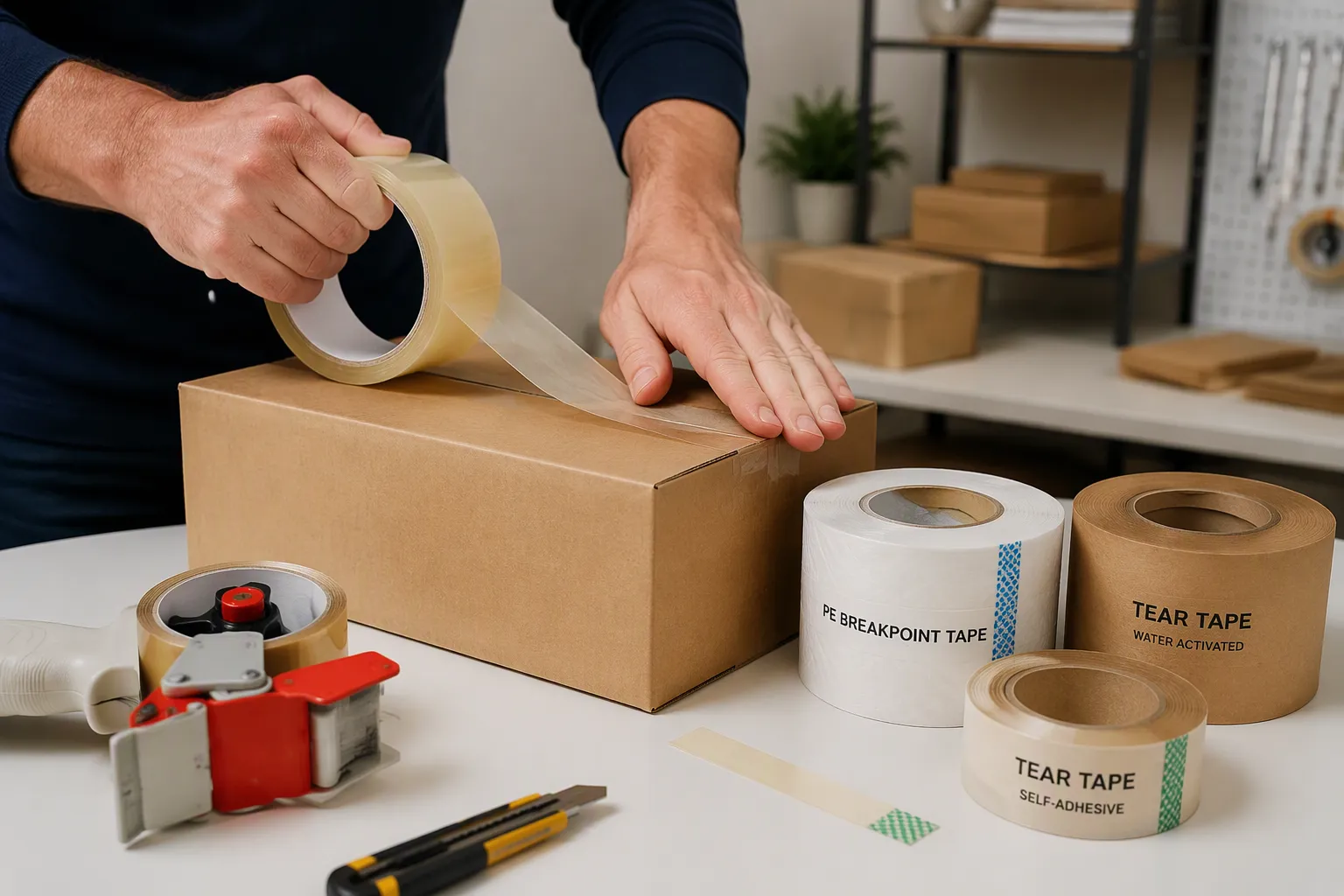
The best tear tape for a packaging line or surface protection task depends on four practical factors: the packaging material, the line setup, compliance needs, and budget. For polyethylene-based formats, recyclable packaging designs, and temporary surface protection, PE Breakpoint Tape often delivers the strongest overall fit. Its precise pre-set breakpoints support fast hand tearing, and its PE backing aligns well with polyethylene streams.
No single tape wins everywhere, though. PET, paper, and reinforced tear tapes each serve distinct packaging and industrial demands. This comparison examines all four options across technical performance, application fit, regulatory compliance, and cost-effectiveness. Readers can then match a tape to their own priorities rather than relying on a generic recommendation.
Key Takeaways
Choose a tear tape based on packaging material, line setup, compliance needs, and budget.
PE Breakpoint Tape offers tool-free hand tearing and aligns with recyclable polyethylene streams.
Match the tape to the job: PET for strength, paper for fiber packaging, reinforced for heavy loads.
Compare total cost per package, not just price per roll, to find the best value.
Check food-contact and recycling rules early to keep compliance simple and avoid redesign.
What Is PE Breakpoint Tape?
PE Breakpoint Tape from Gellytech is a polyethylene film tape with pre-set breakpoints. These breakpoints let users tear the tape by hand at precise 15cm intervals. No scissors or dispenser is needed. This design speeds up on-site work and suits applications where a cutting tool would slow the job down or pose a safety risk.
The tape combines a PE film backing with a pressure-sensitive adhesive. Gellytech offers two formulations. The solvent-based version is engineered for low-temperature performance, which makes it a practical choice for protecting windows, glass, and wood door frames in cold environments. The water-based version is more environmentally friendly and is optimized for greenhouse film repair and agricultural work. Both formulations deliver strong adhesion, with a robust peel strength of ≥ 8.5 N/25mm and holding power of over 24 hours. Both also remove cleanly, so surfaces stay free of residue. A temperature resistance range of -20°C to 100°C supports reliable performance in extreme conditions, and the tape also resists moisture and weather exposure.
How Breakpoint Tearing Works
The breakpoints are built into the film at fixed intervals. A user pulls the tape to the next breakpoint and tears it cleanly by hand. The result is a consistent strip length without a dispenser, which keeps tools off the job site and reduces downtime during surface protection or packaging work.
This mechanism also supports controlled tape consumption. Workers take only the length they need at each breakpoint, so waste stays low on high-volume jobs. The pre-set intervals make the tearing action predictable across repeated use.
Common Uses
Gellytech's PE Breakpoint Tape serves four main application areas. Construction and renovation crews use it for surface protection on windows, glass, and door frames. Growers rely on the water-based version for greenhouse film repair. Agricultural operations use the tape for bagging tasks. Shrink packaging is another common fit, where fast hand tearing keeps wrapping work moving on automated or semi-automated lines.
Each use shares a common demand: quick, tool-free application with dependable adhesion. The tape meets that demand across cold and warm conditions alike.
PE Breakpoint Tape vs. Other Tear Tapes
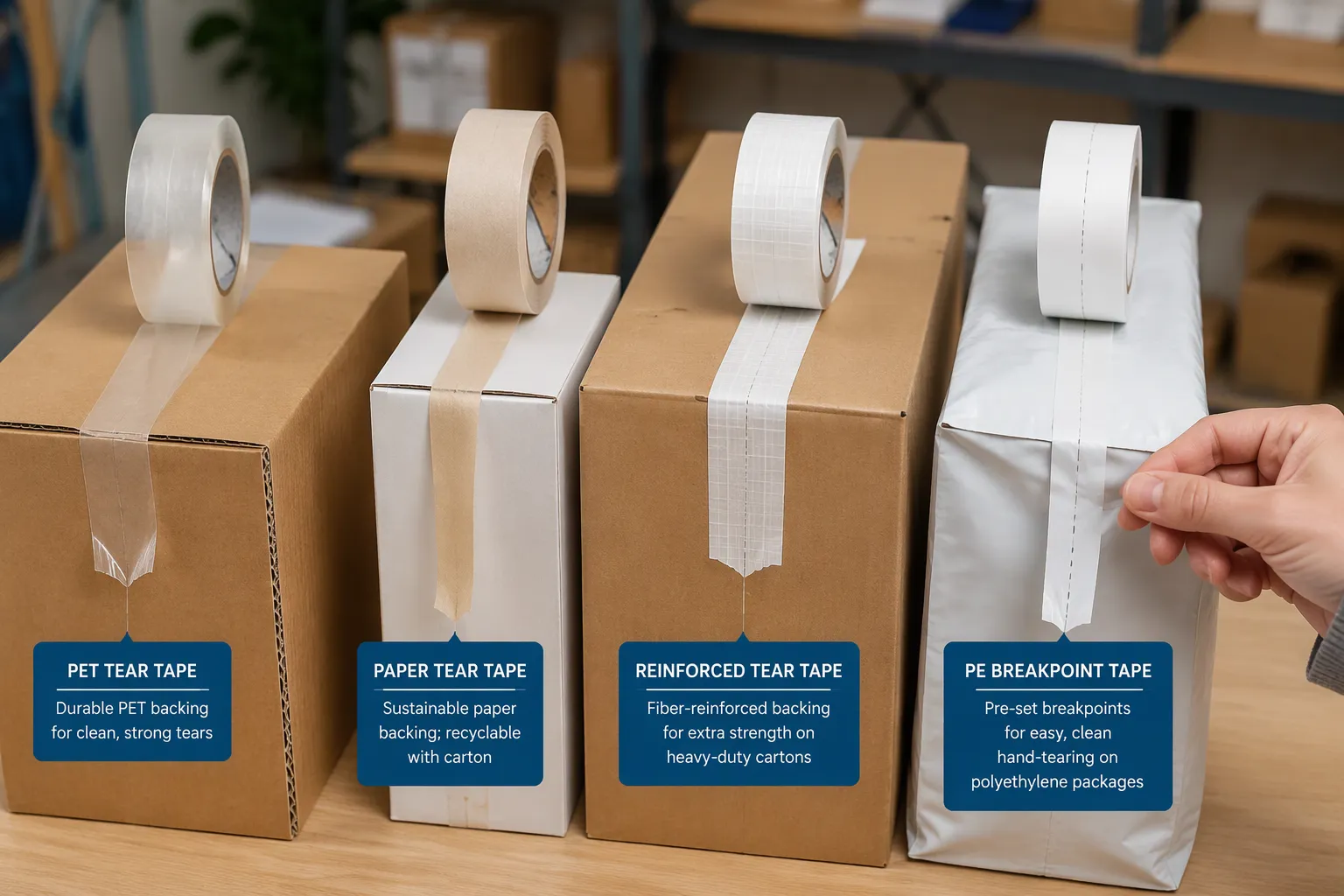
Tear tapes differ in backing material, adhesive system, and tear mechanism. Each type solves a particular packaging problem well. A fair comparison starts with a clear picture of the alternatives.
PET, Paper, and Reinforced Tapes
PET tear tape uses a polyester film backing. Polyester offers high tensile strength and resists stretching under load. This tape suits packaging that must survive rough handling or heavy contents. PET also holds up well in demanding converting operations and automated packaging lines.
Paper tear tape uses a paper backing with a pressure-sensitive adhesive. It tears cleanly and presents a natural, fiber-based appearance. Paper tape fits packaging where the tape becomes part of a paper-based format. It also supports a simple, low-profile look on retail cartons.
Reinforced tear tape combines a film or paper backing with fiber reinforcement, often glass fiber or a similar yarn. The reinforcement raises tensile strength substantially. This construction suits heavy-duty loads, large cartons, and applications where the tape must resist high pull forces during opening, often providing a tamper-evident seal.
PE Breakpoint Tape uses a polyethylene film backing with pre-set breakpoints at precise 15cm intervals. The design targets fast hand tearing without tools. Its PE backing aligns naturally with polyethylene-based packaging and surface protection tasks.
Best-Fit Uses for Each
Each tape type has a natural home. PET tear tape fits high-strength needs, such as heavy cartons and products that demand a strong opening strip. Paper tear tape fits fiber-based packaging, including paperboard cartons and formats where a paper tape matches the substrate. Reinforced tear tape fits heavy-duty loads and large packages that see high opening forces. PE Breakpoint Tape fits polyethylene-based and recyclable packaging, plus on-site work where workers need to tear tape by hand.
The choice often comes down to the substrate and the load. A paper carton pairs logically with paper tape. A heavy corrugated box pairs well with reinforced tape. A polyethylene film or shrink-wrapped format pairs naturally with a PE-based tape. Strength requirements, line speed, and compliance needs then refine the decision.
No option is universally superior. A packaging engineer or procurement specialist should match the tape to the material, the load, and the opening experience the end user expects. The sections that follow examine technical performance, application fit, compliance, and cost in detail.
Technical Performance Compared
Tearability and Breakpoint Consistency
Tearability separates these tapes more than any other property. Each type tears through a different mechanism, and that mechanism shapes how consistent the opening experience becomes.
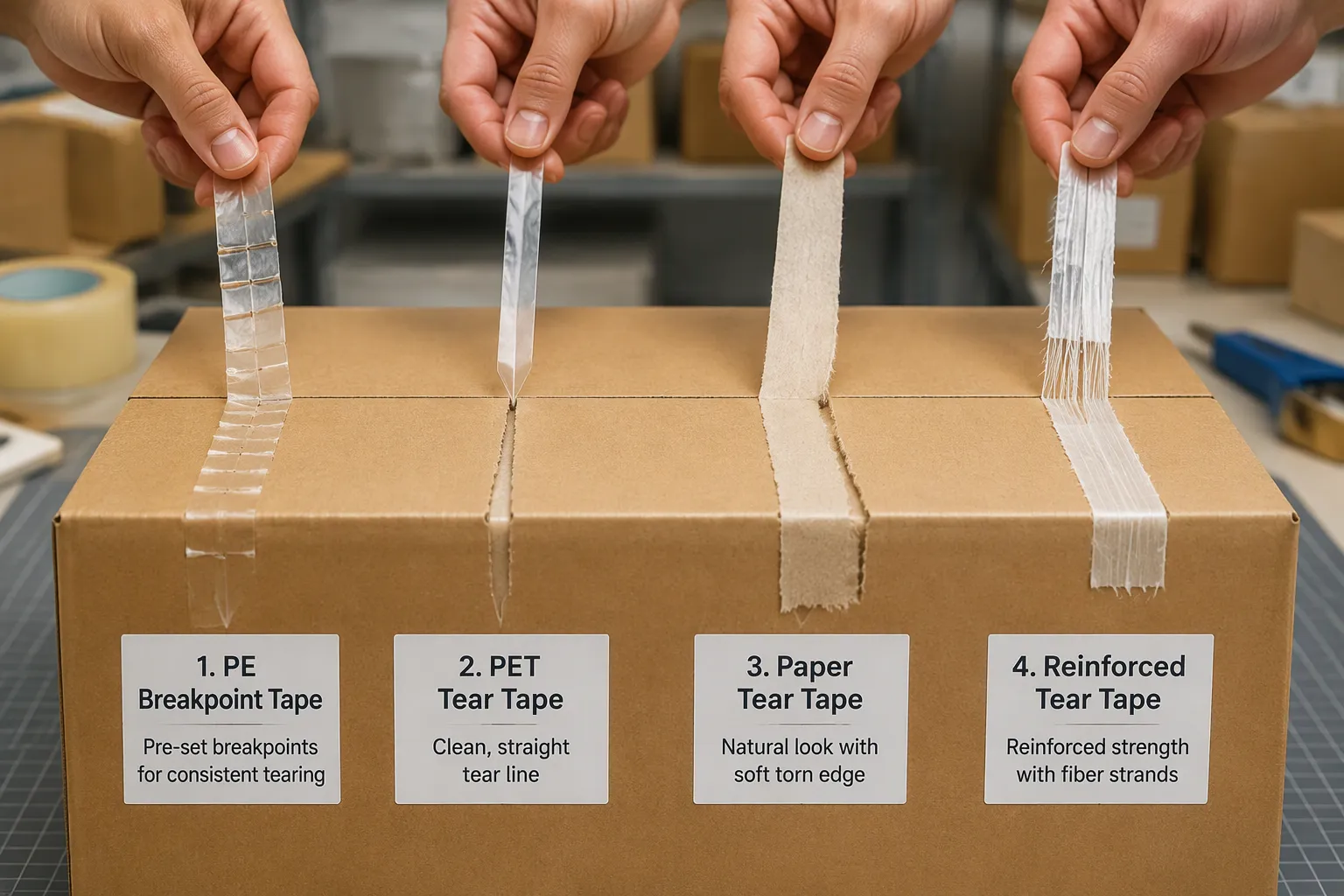
PE Breakpoint Tape relies on pre-set breakpoints spaced at precise 15cm intervals. A user pulls to the next breakpoint and tears by hand. The result is a repeatable strip length with no dispenser and no cutting tool. Consistency comes from the manufactured interval, so every tear lands at the same point on the roll.
PET tear tape tears along the film direction with a clean, controlled line. Polyester resists stretching, so the tear stays straight under a steady pull. The opening action feels crisp on high-strength cartons.
Paper tear tape tears easily in most directions. The paper backing separates with light force, which suits low-profile retail cartons. Fiber structure gives paper a softer tear edge than film-based options.
Reinforced tear tape demands a firmer pull. The fiber reinforcement resists the initial tear, then releases once the yarn breaks. This behavior suits heavy-duty loads, where the tape must hold under tension before opening.
Breakpoint consistency favors the PE design for hand work. Straight-line tear quality favors PET on demanding cartons. Paper wins on ease of initiation. Reinforced tape trades easy tearing for load capacity.
Strength and Adhesion
Strength and adhesion determine whether a tape survives handling, storage, and opening without failure.
Gellytech's PE Breakpoint Tape delivers a robust peel strength of ≥ 8.5 N/25mm and holding power of over 24 hours. Both the solvent-based and water-based formulations meet these figures. The tape removes residue-free, so surfaces stay clean after removal. Temperature resistance spans -20°C to 100°C, which supports reliable adhesion in cold conditions and stable performance in warm environments. Moisture resistance and weather resistance add further durability.
PET tear tape offers high tensile strength from its polyester backing. It resists stretching under load and holds adhesion well on smooth surfaces. Its strength profile suits cartons that see rough handling.
Paper tear tape provides moderate tensile strength. Adhesion depends on the adhesive system and the substrate. Paper tape performs best on fiber-based surfaces that accept a pressure-sensitive bond readily.
Reinforced tear tape carries the highest tensile strength of the group. Fiber reinforcement raises the pull force the tape can bear before failure. This makes it the choice for large cartons and heavy contents.
Tape Type | Tear Mechanism | Strength Profile | Adhesion Notes |
|---|---|---|---|
PE Breakpoint Tape | Pre-set breakpoints, hand tear | Peel strength ≥ 8.5 N/25mm; holding power >24 hours | Residue-free removal; -20°C to 100°C range |
PET | Straight tear along film direction | High tensile strength, resists stretching | Strong hold on smooth surfaces |
Paper | Easy tear in most directions | Moderate tensile strength | Best on fiber-based substrates |
Reinforced | Firm pull, fiber break | Highest tensile strength | Built for high opening forces |
Each tape meets a different performance target. A packaging engineer should weigh tear consistency, load-bearing needs, and removal requirements against the substrate in use.
Application Fit Compared
Material Compatibility
Substrate matching drives most tape selection decisions. PE Breakpoint Tape bonds naturally to polyethylene film, shrink wrap, and other polyolefin surfaces. The solvent-based formulation targets windows, glass, and wood door frames in cold environments. The water-based formulation suits greenhouse film repair and agricultural bagging. Both versions share the same PE backing, so the tape sits comfortably on polyethylene-based packaging formats.
PET tear tape pairs well with smooth, rigid surfaces. Polyester backing resists stretching, which helps on cartons that see rough handling. Paper tear tape matches fiber-based substrates, including paperboard cartons and retail formats where a paper strip fits the overall look. Reinforced tear tape works on heavy corrugated boxes and large containers that carry dense contents.
A simple rule helps: match the tape backing to the packaging material. A polyethylene film pairs with a PE-based tape. A paper carton pairs with paper tape. This alignment supports clean adhesion and a predictable opening experience.
Packaging System Performance
Line setup shapes how each tape performs in practice. PE Breakpoint Tape needs no dispenser and no cutting tool. Workers tear strips by hand at precise 15cm intervals, which keeps tools off the floor and speeds up on-site protection work. The tape also removes residue-free, so surfaces stay clean after removal. A temperature range of -20°C to 100°C supports outdoor and cold-storage jobs.
PET and reinforced tapes often run through dispensers on high-speed lines. Their high tensile strength suits automated application and heavy loads. Paper tape applies easily by hand or with a simple dispenser, which fits lower-volume operations.
Volume and labor model matter here. Hand-tear formats reduce equipment cost on smaller jobs. Dispenser-based formats pay off on high-throughput lines. A packaging engineer should weigh line speed, tool availability, and worker workflow before committing to one format.
Regulatory Compliance Compared
Food Safety Considerations
Food-contact packaging brings compliance into the tape selection process. PE Breakpoint Tape uses a polyethylene backing with a pressure-sensitive adhesive. Polyethylene is a widely accepted food-contact material. Buyers should confirm that the specific adhesive formulation meets their market's food-contact regulations (e.g., FDA, EU standards). The water-based version offers a more environmentally friendly profile, which many food brands now request.
PET tear tape also supports food-contact formats. Polyester film is common in food packaging, and converters often hold documentation for it. Paper tear tape fits dry-food cartons well. Its paper backing suits fiber-based food packaging, though buyers should verify the adhesive against grease and moisture exposure. Reinforced tape typically serves heavy shipping cartons rather than direct food contact.
Compliance starts with documentation. Request material declarations and food-contact statements from every supplier. Match the tape to its actual contact level: direct contact, indirect contact, or outer shipping. This step protects the brand and simplifies audits.
Recyclability and Material Streams
Recyclability depends on material matching. PE Breakpoint Tape uses a polyethylene backing, so it aligns with polyethylene film and shrink-wrap streams. A PE tape on PE packaging keeps the format within one material family. This alignment supports recyclable packaging designs and simplifies sorting.
PET tear tape introduces polyester into the package. Paper tape keeps the package within fiber streams, which suits paperboard cartons. Reinforced tape adds fiber reinforcement, and that construction can complicate a clean material stream.
Designers should treat the tape as part of the package. Check the tape against the target stream's accepted materials. Confirm that the adhesive and backing match the recycling guidance for that region. A tape that matches its substrate supports the recyclability claim. A mismatch can weaken it. Early material selection keeps compliance simple and avoids redesign later.
Cost-Effectiveness Compared
Unit Cost vs. Total Cost
The sticker price of a roll tells only part of the cost story. Total cost includes labor, equipment, waste, and rework. A tape with a higher unit price can still cost less per finished package. Buyers should compare options on total cost per job, not on price per roll alone.
PE Breakpoint Tape removes several cost lines from the equation. Workers tear strips by hand at precise 15cm intervals. No dispenser purchase is needed. No blade replacement enters the budget. Tool-free tearing also cuts the time spent hunting for scissors on a job site. Residue-free removal protects surfaces, so crews avoid cleanup labor and replacement costs for damaged glass or frames.
PET and reinforced tapes often justify their unit price through line speed and load capacity. Dispensers add capital cost, yet they pay back on high-throughput lines. Paper tape sits at a moderate price point and applies easily by hand. Each option carries its own cost structure. The right comparison weighs every line item against the actual job.
Cost by Packaging Volume
Volume changes the math. Low-volume operations gain the most from hand-tear formats. A small crew protecting a few windows or repairing scattered greenhouse panels avoids equipment spending entirely. PE Breakpoint Tape fits this profile well. The pre-set intervals also limit waste, because workers take only the length they need.
High-volume lines tell a different story. Automated dispensers spread their capital cost across many units, and consistent strip lengths reduce material waste at scale. PET and reinforced tapes perform strongly in this setting. Their strength supports faster line speeds and fewer failures.
Buyers should estimate annual tape consumption before choosing a format. A simple comparison of equipment cost, labor hours, and material waste across the expected volume reveals the true economy of each option. The cheapest roll rarely wins once volume enters the picture.
Each tape type fits a distinct packaging scenario. PE Breakpoint Tape suits polyethylene formats and recyclable designs. PET serves high-strength needs. Paper matches fiber-based packaging. Reinforced tape handles heavy-duty loads.
The best choice depends on your priorities. Weigh performance, fit, compliance, and cost against your specific requirements. A clear view of the substrate, line setup, and volume guides the decision. Match the tape to the job, and the packaging line performs reliably.
FAQ
Which PE Breakpoint Tape formulation should a buyer choose?
The application decides. The solvent-based version is engineered for low-temperature work, so it suits windows, glass, and wood door frames in cold environments. The water-based version offers a more environmentally friendly profile and is optimized for greenhouse film repair and agricultural bagging.
Does PE Breakpoint Tape require a dispenser or scissors?
No. Pre-set breakpoints let users tear the tape by hand at consistent 15cm intervals. This design keeps cutting tools off the job site and speeds up surface protection work. Workers also take only the length they need, which limits waste on high-volume jobs.
How does PE Breakpoint Tape perform in cold conditions?
The tape carries a temperature resistance range of -20°C to 100°C. The solvent-based formulation is specifically engineered for low-temperature performance. Both formulations also resist moisture and weather exposure, which supports outdoor and cold-storage applications.
Can PE Breakpoint Tape support recyclable packaging designs?
Yes. The polyethylene backing aligns with polyethylene film and shrink-wrap streams. A PE tape on PE packaging keeps the format within one material family, which simplifies sorting. Buyers should still confirm that the local recycling guidance accepts the complete package.
Does the tape leave residue after removal?
No. Both formulations remove residue-free, so surfaces stay clean and undamaged. This behavior matters for temporary protection of glass, frames, and similar surfaces. Crews avoid cleanup labor and replacement costs after the tape comes off.
Ready to Optimize Your Tape Application?
Whether you need a reliable PE Breakpoint Tape for surface protection, agricultural use, or a high-strength tear tape for your automated packaging line, Gellytech has the solution. We support OEM/ODM and provide free samples for testing.
Get a Free Sample & QuoteRecommended Products

Recent News
1.Double Sided Foam Tape: How Buyers Judge a China Supplier in 2026
2026-10-262.BOPP Printing Tape vs Plain Tape 3 Key Differences
2026-10-083.BOPP Printing Tape vs PVC Tape for Custom Branding
2026-09-224.Double Sided Tape Selection Guide for 2026
2026-10-125.No Noise vs Standard BOPP Tape: 2026 Comparison Guide
2026-09-29